Saltworks of Marsala
The Lagoon and Marsala
Marsala was founded by the Carthaginians in the 4th century BC as Lilybaeum, a strategic fortress and port. It resisted several sieges by the Greeks and the Romans, until it became part of the Roman Republic in 241 BC.
After the fall of the Roman Empire, Marsala was conquered by various invaders, including the Vandals, the Byzantines, the Arabs, the Normans, the Swabians, the Angevins, the Aragonese, and the Spanish. Under the Arabs, the town was renamed Marsa Allah, meaning “God’s harbor”.
In the 16th century, Marsala lost its importance as a port due to pirate attacks and the rise of Trapani. It regained some prosperity in the 18th century, when the English merchant John Woodhouse started producing and exporting the fortified wine that bears the town’s name.
In 1860, Marsala was the landing place of Giuseppe Garibaldi and his Thousand, who began their campaign to liberate Sicily and unify Italy. The town welcomed Garibaldi as a hero and joined his cause.
In the 20th century, Marsala suffered from the two World Wars, the Allied bombing, and the Mafia violence. It also witnessed some social and cultural movements, such as the Sicilian Vespers of 1943 and the Marsala Spring of 1968.
Today, Marsala is a modern and lively town, with a rich heritage of art, culture, and gastronomy. It is also a popular tourist destination, thanks to its natural beauty, its archaeological sites, and its wine production.
___________________________________________
Activities that the lagoon of Marsala offers for you:
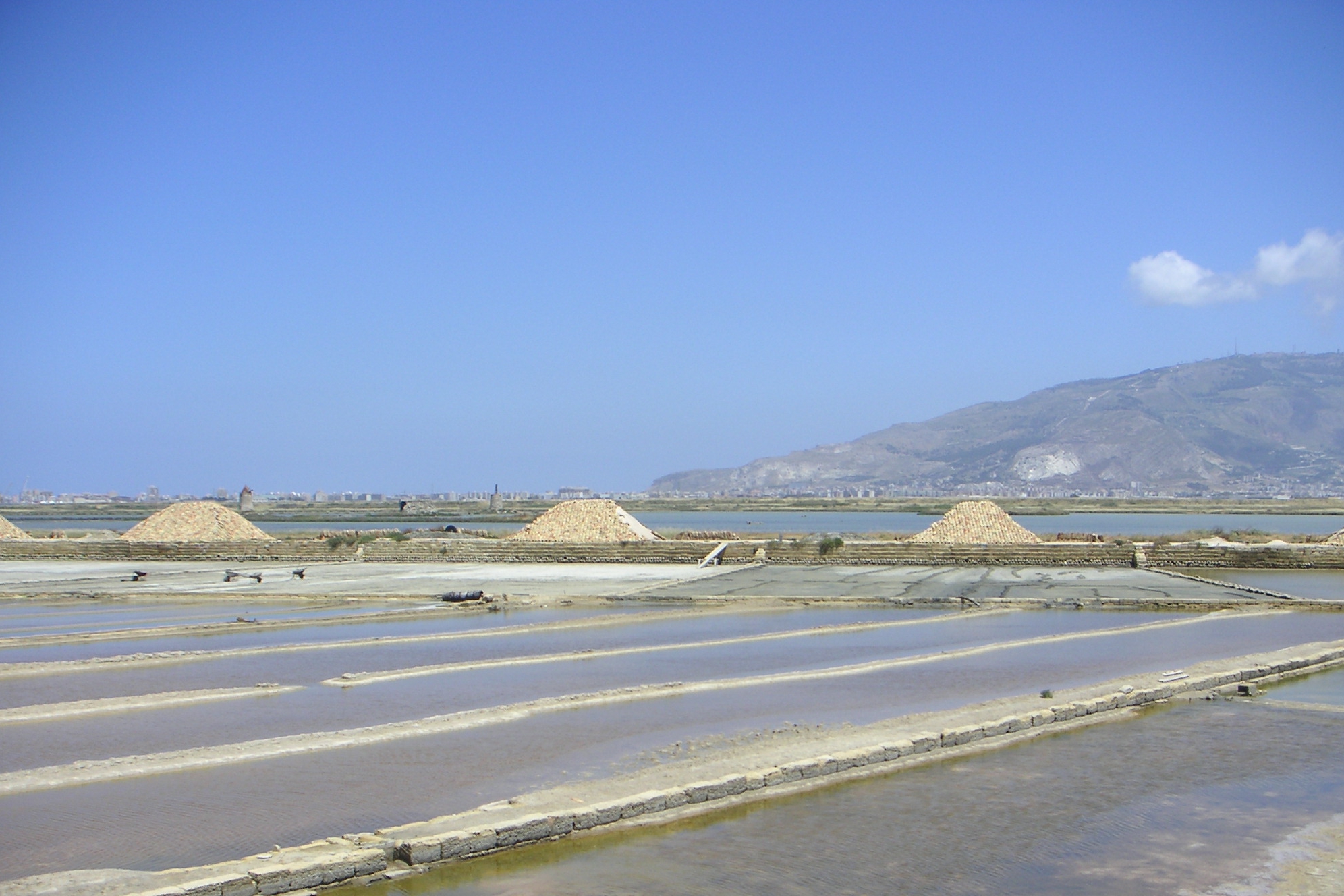
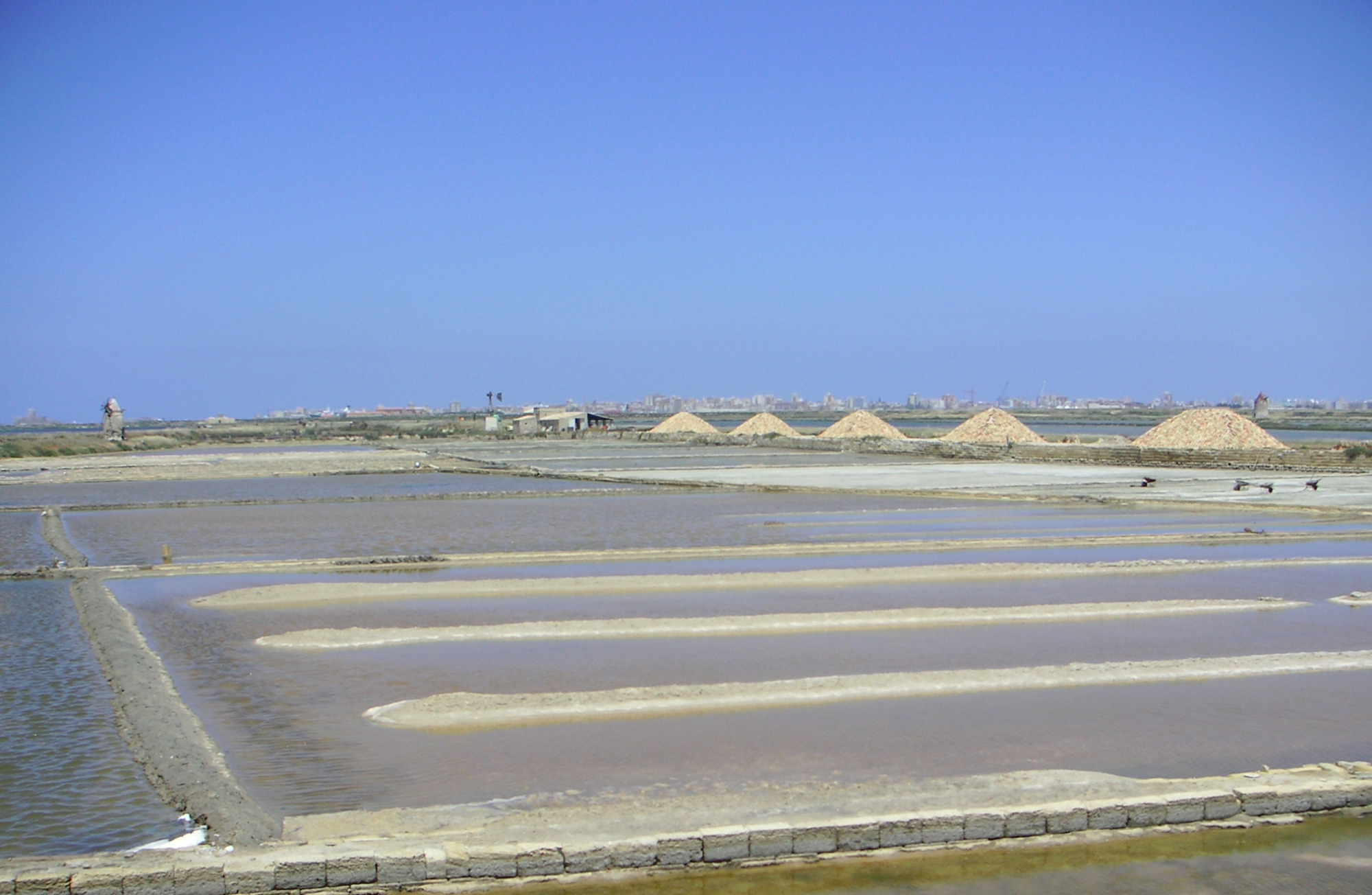
Visit the Ettore and Infersa salt pans, where you can see the traditional process of salt extraction and learn more about the history of the saltworks.
Visit the island of Mothia, where you can admire the archaeological remains of an ancient Phoenician city and the Whitaker Museum, which houses a collection of artifacts from the site.
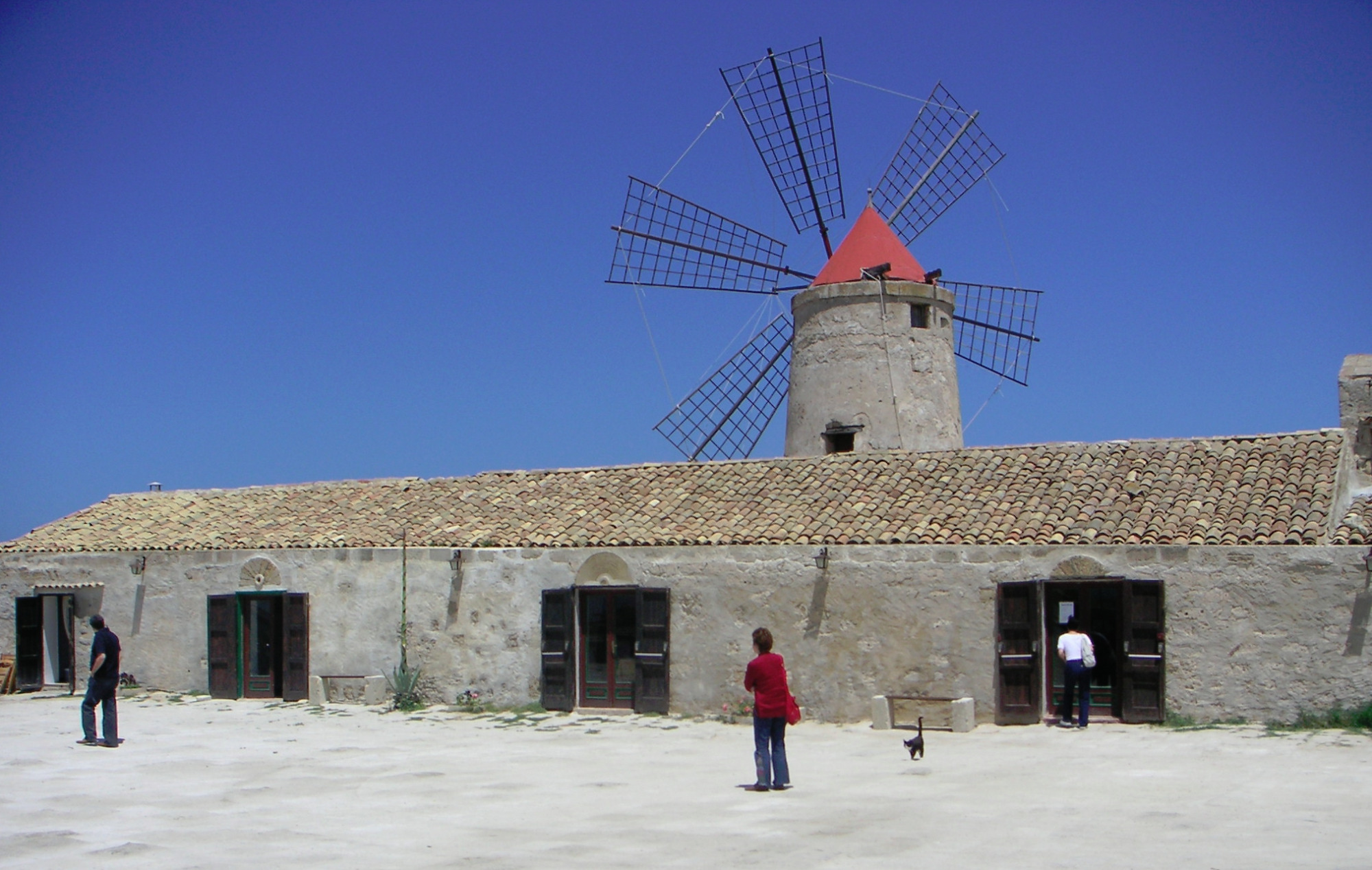
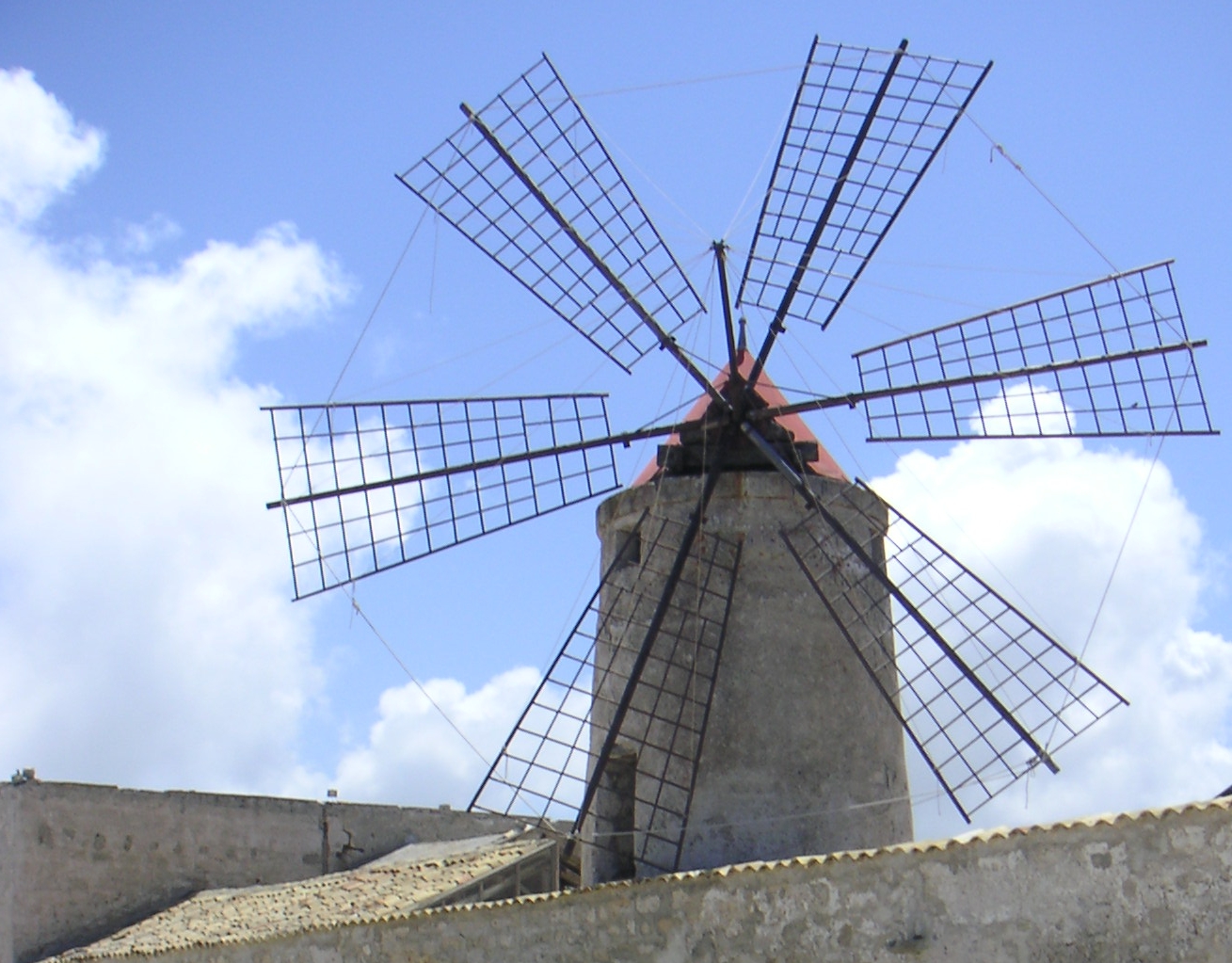
Visit the island of San Pantaleo, where you can see the windmills that were used to pump water and grind salt (see: Experiencesicily.com).
Visit the island of Santa Maria, where you can visit the Museum of Salt and the Sea, which displays tools, models, and photographs related to the salt industry and the maritime heritage of the area.